

Remodels go over budget for five main reasons: a scope that was never written in detail, allowances standing in for products not yet chosen, change orders during construction, materials ordered too late, and conditions found behind walls with no plan for them. Most of the five are decisions or details left open before construction starts; the fifth, hidden conditions, is the one a good estimate budgets for.
That makes overruns predictable, and many of them visible in the estimate before you sign. Below is each cause, what it looks like on paper, and what prevents it, followed by a table you can hold next to any bid. If you want a second look at your own plans, contact our team.
1. A scope that was never written in detail
“Remodel the bathroom” covers hundreds of decisions, and each one has a price. When the scope is a sentence instead of a list, every undefined item becomes a conversation, and often an extra charge, once work starts. A detailed scope names what is removed, what is built, what is reused, and what is not included.
2. Allowances instead of real prices
An allowance is a placeholder amount for something not yet chosen, such as tile or light fixtures. When you pick the real product and it costs more than the placeholder, the difference is added to your bill. Allowances set low make an estimate look smaller than the remodel will be. The fix is to choose the products before the price is final, so the estimate prices what you will actually get.
3. Remodel change orders during construction
A change order is a written change to the agreed scope and price. Some are unavoidable, but changes made after demolition cost more than the same change made on paper: work already done may be undone, new materials ordered, and trades brought back out of sequence.
Handle them the same way every time: get the change in writing, with its price and its effect on the schedule, and approve it before it is built. A contractor who prices changes clearly before doing them is protecting your budget, even when the news is unwelcome.
★★★★★
"Vlad came out for a free quote on a few small things we needed done. He was on time and honest about pricing and recommended what we actually needed even though it did not require his services. If we have a larger job in the future we will be calling this company."
4. Materials ordered too late
A product chosen after demolition can hold up the whole job while it ships, and a stalled job still has costs: crews rescheduled, rooms left unusable, temporary arrangements stretched. Ordering everything with a long lead time before construction keeps both the schedule and the money where they were planned.
5. Hidden conditions with no plan
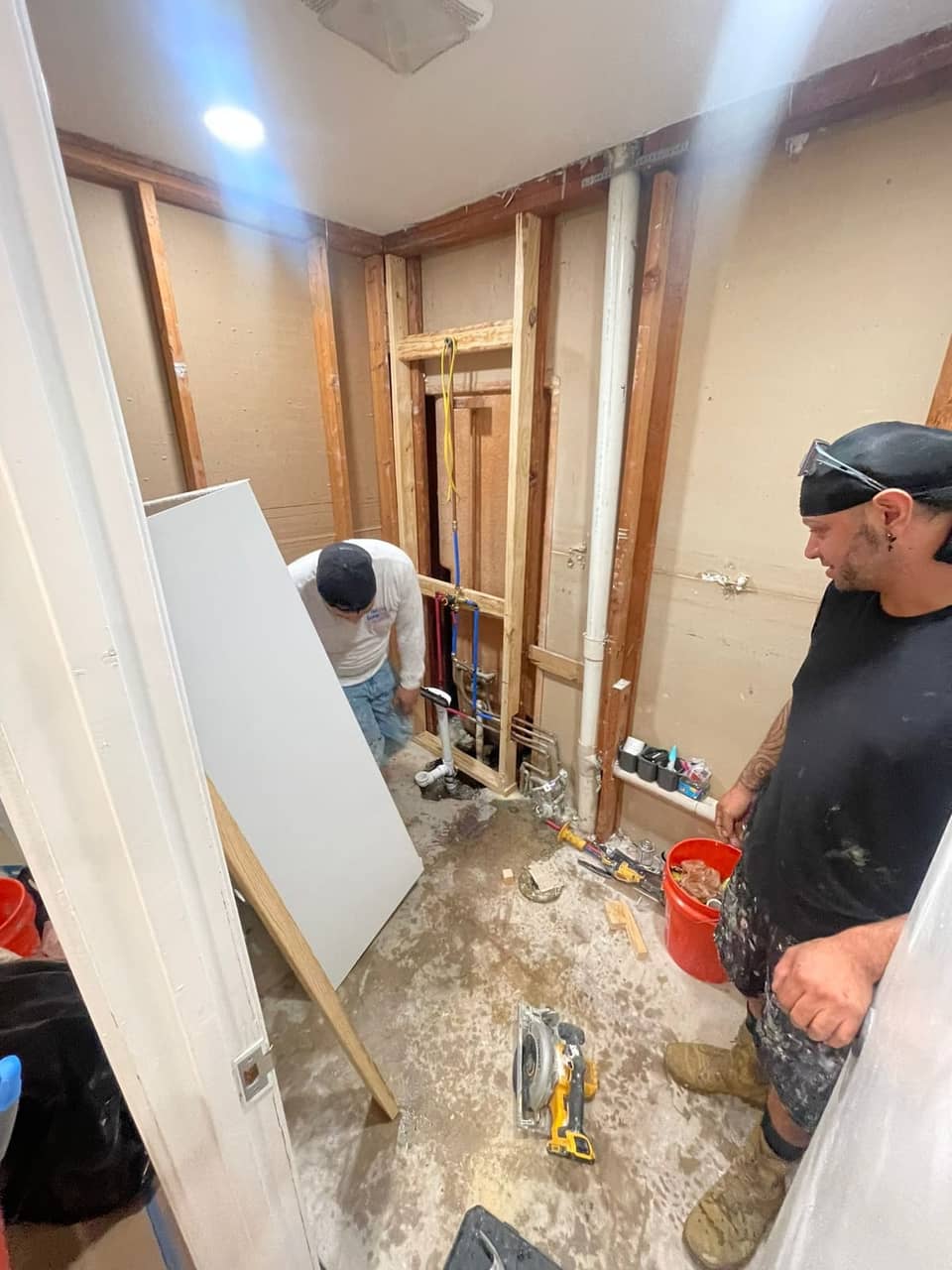
Older homes can hide water damage, outdated wiring, undersized framing or plumbing at the end of its life. Nobody can promise none will be found. What an estimate can do is name the likely risks for your house, say how a discovery will be priced, and carry a contingency line, so a find becomes a decision with known terms instead of a surprise invoice.
How to read an estimate for remodel cost overruns
| What you see | What it can mean | What to ask |
|---|---|---|
| One-line scope | Details will be decided, and priced, later | Can you list each item of work, and what is excluded? |
| Allowances for finishes | The real products may cost more | What product does this allowance buy? Can we choose it now? |
| "TBD" selections | Decisions will land during construction | Which choices must be final before demolition? |
| No contingency or exclusions | Hidden conditions have no agreed terms | How is something found behind a wall priced? |
| No schedule or order dates | Lead times were not planned | When is each long-lead item ordered? |
| A bid far below the others | Scope may be missing from it | What is in the other bids that is not in this one? |
Questions homeowners ask about remodel budgets
Why do remodels cost more than the first estimate?
Usually because the first number was not built on a finished plan: open selections priced as allowances, changes made during construction and late orders. A remodel adds one more risk, because it works inside an existing house whose walls hide conditions nobody has seen yet.
How much contingency should I keep for a remodel?
Size it to the risk in your house: its age, how much will be opened up, and how much of the work is structural or behind walls. Ask your contractor how they set the contingency and what it can be used for.
Is a change order always a bad sign?
No. A change you ask for, priced and approved before it is built, is normal. The warning sign is changes that arrive as surprises, without a price agreed first.
Keep your number steady
Every cause above is solved the same way: decide before you build. That is the idea behind a planning-first remodel, and it is how our remodeling process runs: selections finalized, pricing confirmed and materials ordered before construction begins. For what drives the totals themselves, see our guides to kitchen remodel cost and home remodeling cost. When you are ready, contact us for a line-item estimate.